The core difference: hardness and porosity
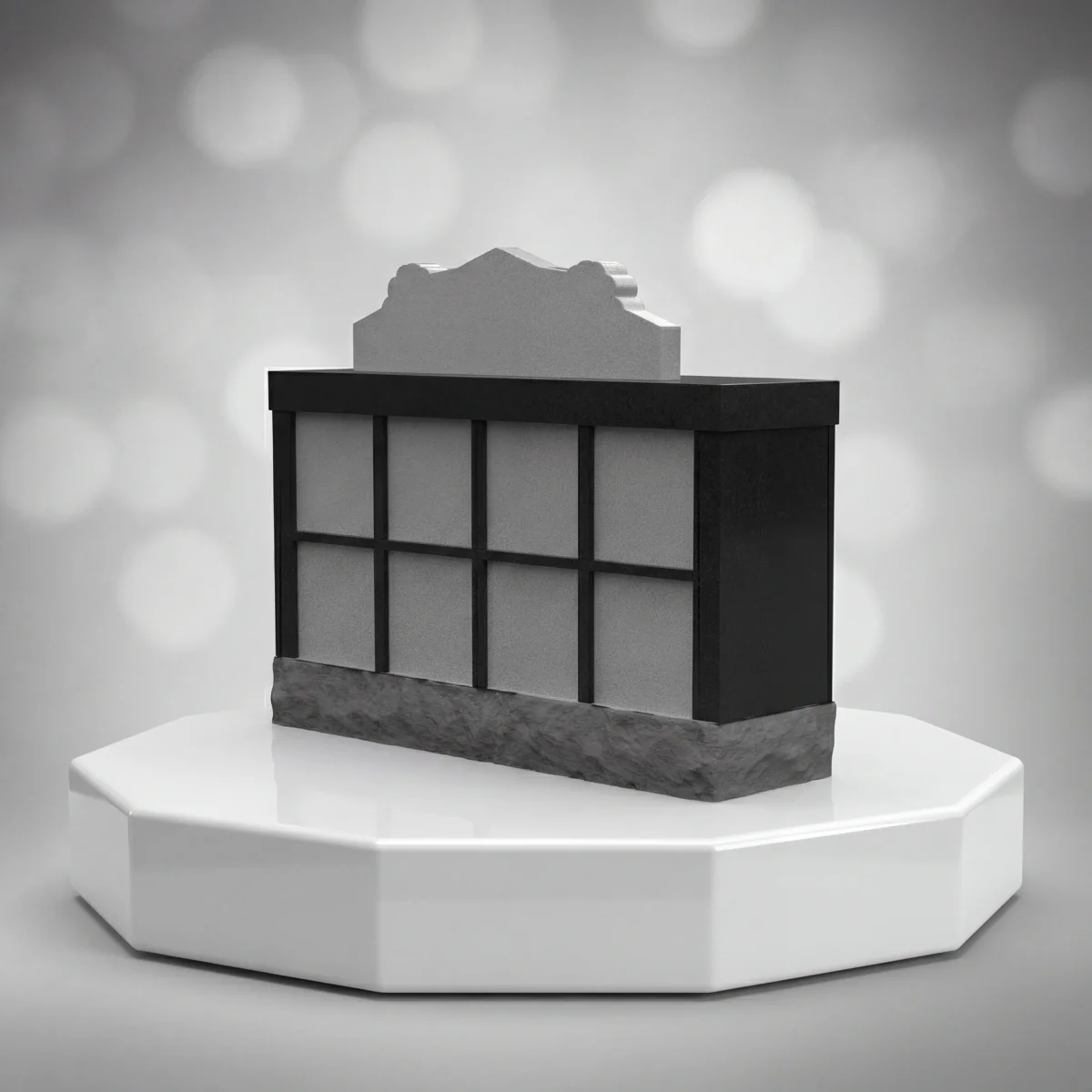
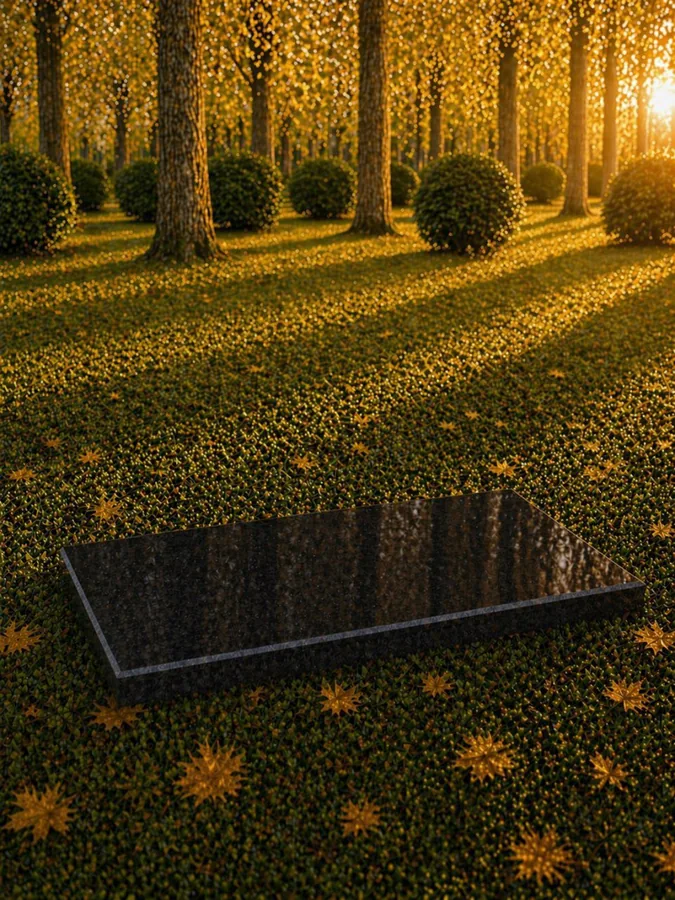
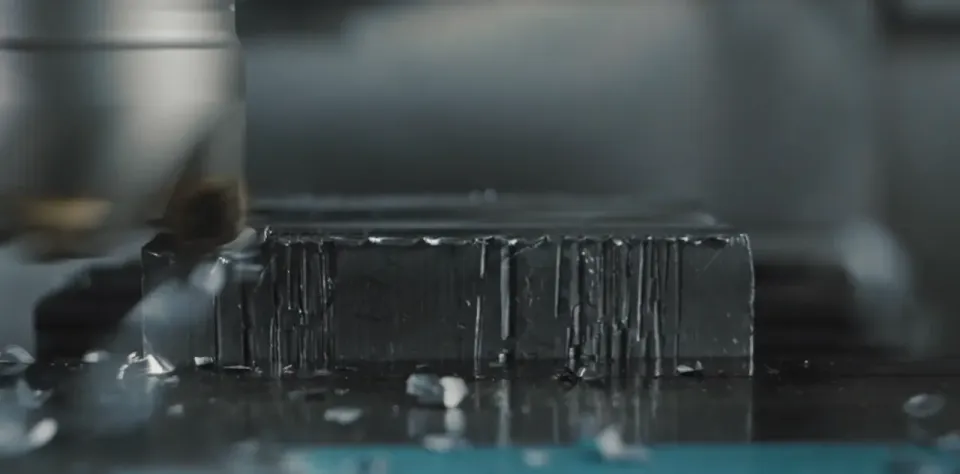
Granite forms from cooled magma and is extremely hard and dense, with low water absorption. Marble is metamorphosed limestone — softer, more porous, and chemically reactive to acids. That single distinction drives almost every practical difference between the two materials in outdoor memorial use.
Weather resistance
Marble reacts with acidic rainwater, which slowly dissolves the surface and blurs carved detail over time. Its porosity also makes it prone to staining and to damage from freeze-thaw cycles. Granite is largely inert to acid rain, resists water penetration, and withstands temperature swings — which is why older marble memorials often look weathered while granite of the same age remains crisp.
Durability and inscription retention
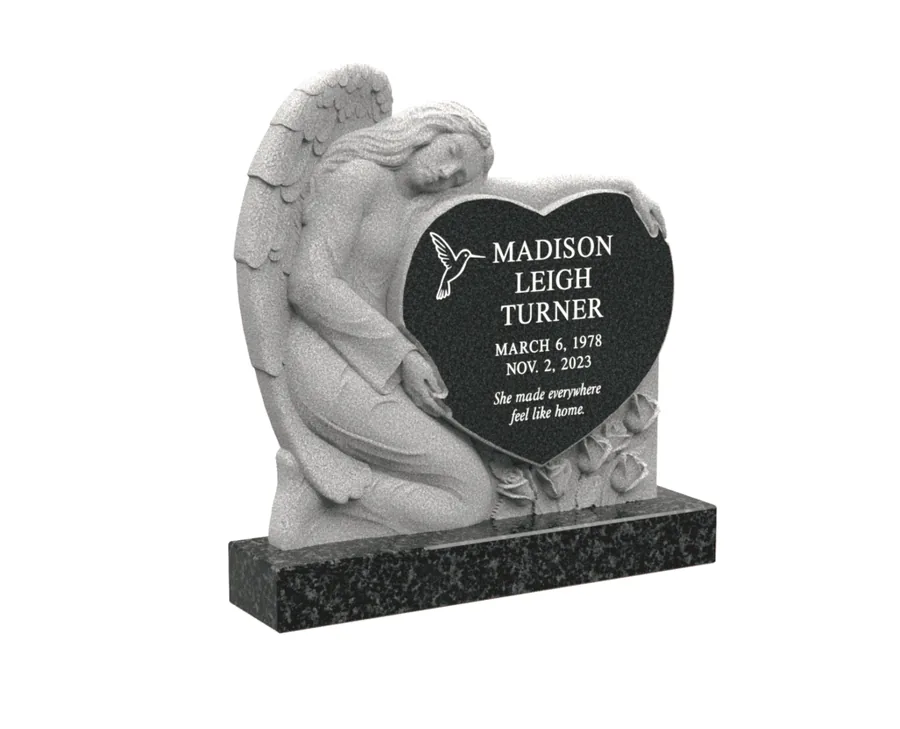
Because granite is so hard, engraving stays sharp and legible for decades. On marble, inscriptions gradually soften and become harder to read as the surface erodes. For a memorial whose primary purpose is to preserve names and dates permanently, inscription retention is a decisive factor.
Maintenance and cost
Granite is essentially low-maintenance: periodic cleaning keeps it looking new. Marble requires more care and is more vulnerable to permanent staining. While material and design ultimately determine price, granite’s longevity typically makes it the more cost-effective choice over the life of the memorial.
- Granite: high durability, low maintenance, excellent inscription retention.
- Marble: softer and easier to carve, but erodes and stains outdoors.
- Best practice: granite for exterior memorials; marble for indoor/sheltered work.
The professional consensus
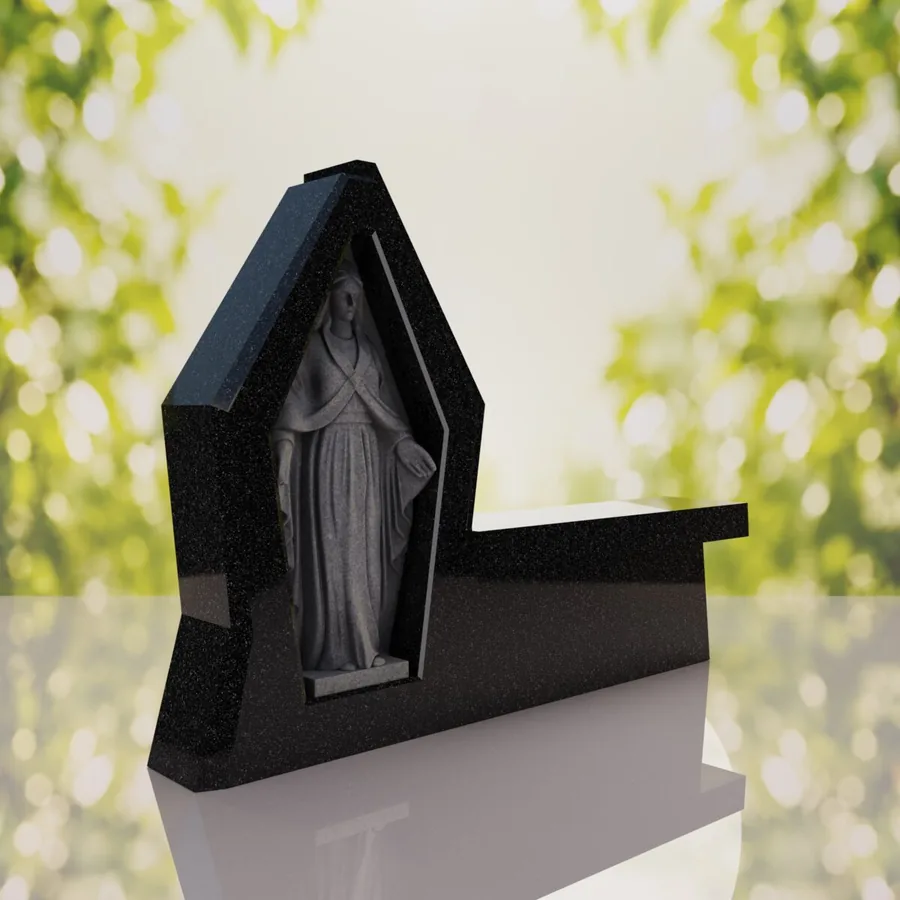
For exterior headstones, markers, and monuments, the industry standard is granite — and for good reason. It delivers the permanence families expect and the consistency dealers need. H Stones works exclusively in exterior-grade granite, offering over 40 types so buyers can match durability requirements with the right color and finish for each project.