Why staged inspection matters
A memorial is personalized and permanent, so a defect discovered after engraving is expensive and often unrecoverable. Staged quality control catches problems early — before value is added — and ensures the finished monument matches what the customer approved. For B2B buyers, this consistency is the difference between a reliable supplier and one that generates returns and complaints.
Stage 1 — Material selection
Quality starts at the quarry. Blocks are selected for density, color consistency, and freedom from cracks or inclusions. Because natural granite varies, choosing the right raw material is the single most important factor in the durability and appearance of the final memorial.
Stage 2 — Production accuracy
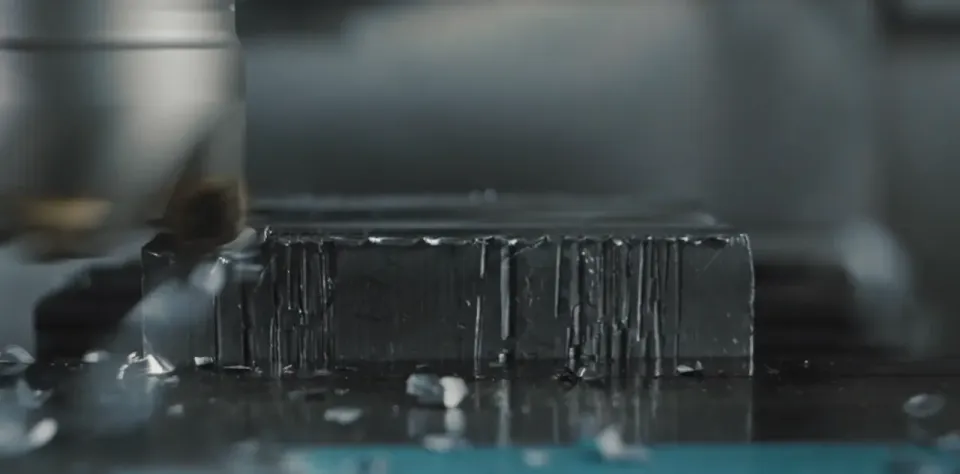
During cutting and shaping, dimensions are checked against the specification. Accurate production ensures that bases, tablets, and components fit together correctly and that matching sets remain uniform across an order.
Stage 3 — Finishing
The surface finish — polished, honed, or textured — is inspected for evenness and quality. A consistent finish is essential both for appearance and for how cleanly the surface will carry lettering and artwork.
Stage 4 — Engraving verification
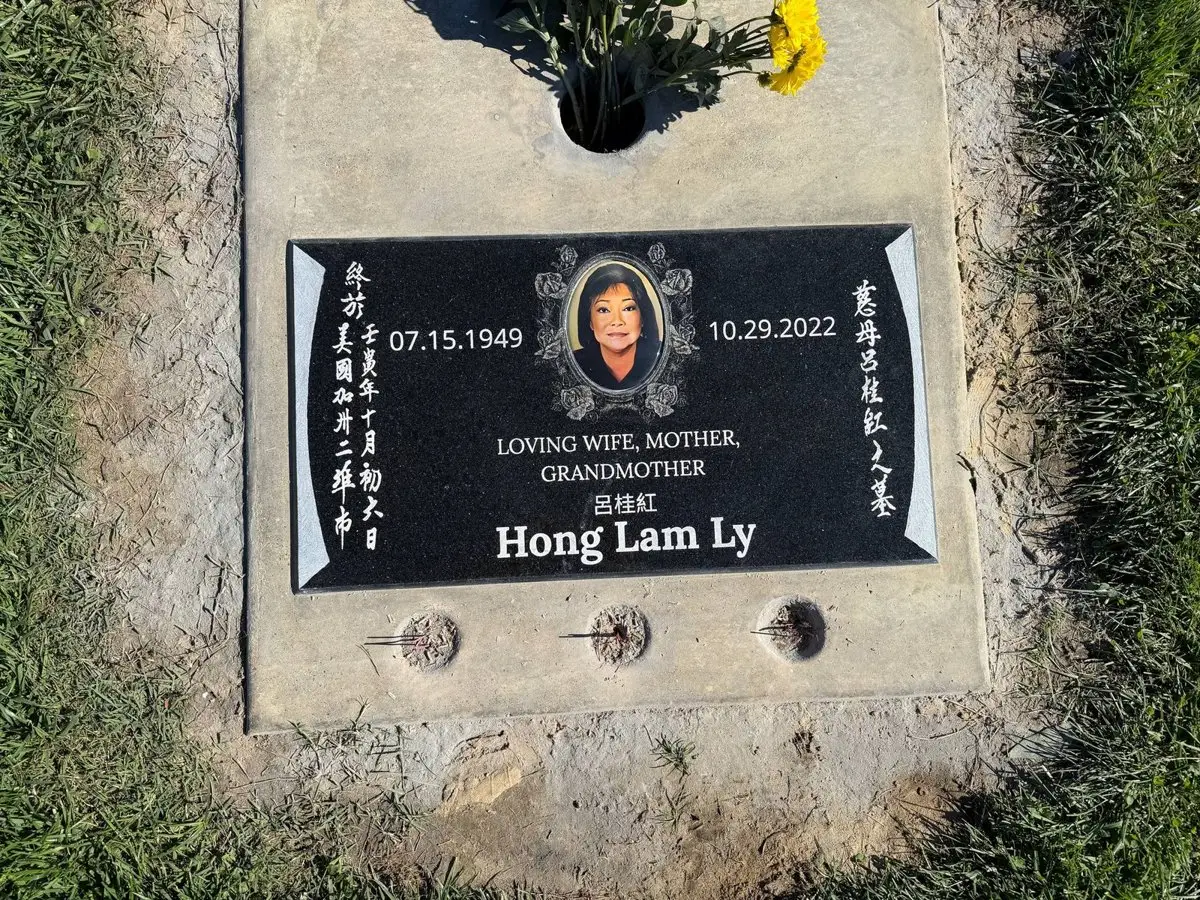
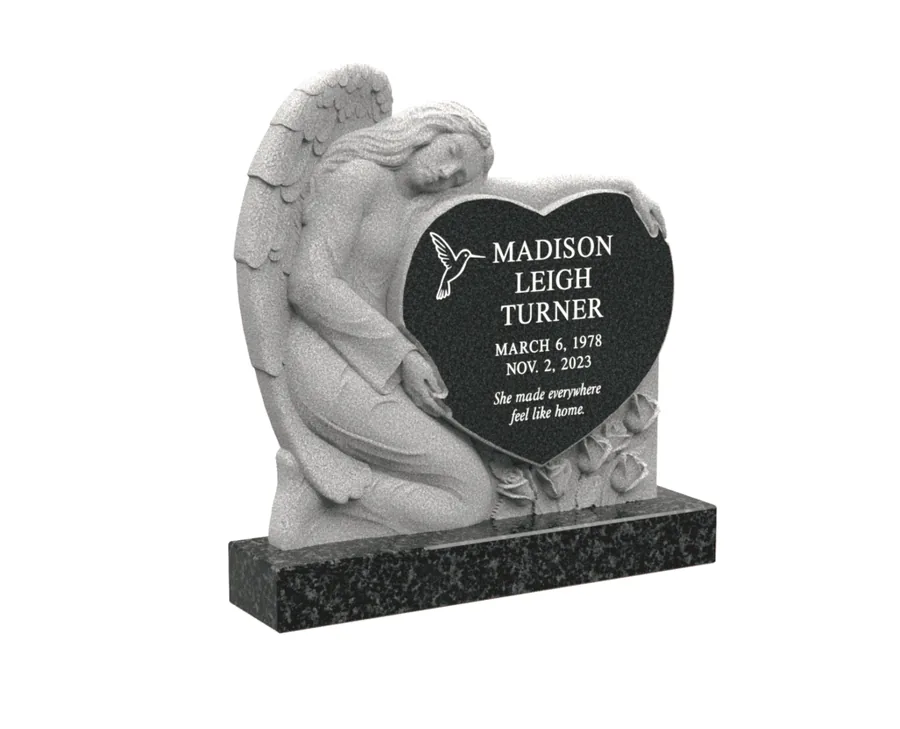
Lettering, artwork, and relief work are checked against the approved design for accuracy and depth. Because engraving is the most personal element of a memorial, this stage confirms names, dates, and artwork are correct before the piece is finalized.
Stages 5 & 6 — Packaging and final inspection
Finished monuments are protected for transit with packaging designed to prevent chips and damage during shipping. A final inspection confirms the completed order matches specifications in every respect before it leaves the facility.
This end-to-end process — backed by a modern production complex and full batch inspection — is how H Stones maintains consistent quality across both individual and high-volume orders.